
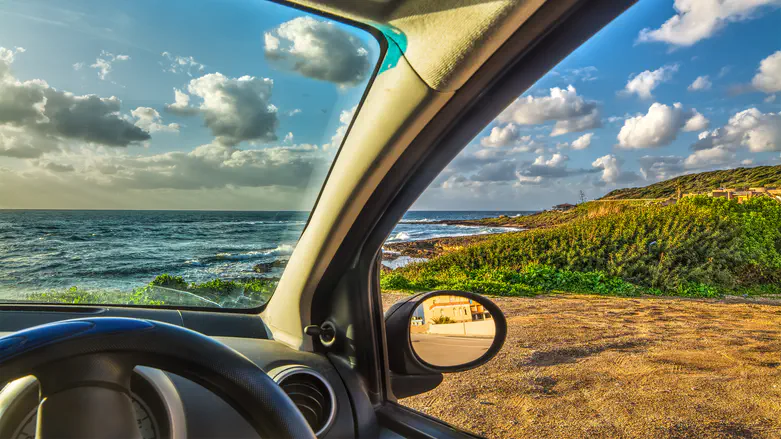
Island travel offers a unique mix of scenic drives, remote beaches, and off-the-beaten-path stops that are best explored with your own set of wheels. While some areas may have shuttles or limited bus routes, relying on public transport often restricts where you can go and how quickly you can get there.
Renting a car opens up more possibilities—letting you explore lesser-known spots at your own pace and travel on your own terms. However, island car rentals can come with their own quirks, from vehicle availability and local policies to unexpected fees and pickup limitations.
Keep reading to learn what to expect when booking car rental services for island travel.
Vehicle Options and Availability
Island driving conditions can vary widely depending on the destination. Some places have well-maintained roads, while others include rugged tracks, steep inclines, or narrow coastal paths.
To help you decide, below are three of the most relevant vehicle types for island travel:
- 4x4s and SUVs: These are ideal for travelers visiting islands with uneven terrain, steep roads, or unpaved areas. A higher ground clearance and all-wheel capability provide better handling on rough surfaces, especially if you’re planning to visit lookout points, waterfalls, or secluded beaches that aren’t easily reached by standard cars.
- Compact cars and sedans: These work well for paved roads and smaller towns. They’re easier to park in tighter areas and use less fuel, which is useful on islands where gas stations are limited or fuel prices are higher than usual.
- Scooters and motorbikes: These offer flexibility and are suited for short-distance trips. They’re easy to maneuver through narrow roads and traffic-congested areas, especially in busy coastal towns or small island centers. However, they’re best for experienced riders due to increased exposure to weather and road conditions.
If you’re unsure which vehicle fits your plans, check with local providers who offer a variety of choices tailored to regional terrain. Some companies focus on upgraded rentals for vacationers, offering newer models and added features for comfort and reliability. Car rental companies like Mauka Hualalai Rentals or other locally based island rental businesses often specialize in serving travelers with vehicles suited for both short excursions and full-day drives.
Rental Requirements and Policies
Before confirming a car rental for island travel, it’s important to understand the standard requirements and company-specific policies. These rules can vary depending on the location, and they may affect your eligibility or total rental cost.
To help you prepare, the following are three key requirements to review in advance:
- Driver’s license and age: Most companies require renters to be at least 21 to 25 years old and to have held a valid driver’s license for at least a year. In some locations, an International Driving Permit (IDP) may also be necessary—especially if your home license isn’t in English. It’s best to verify this before traveling to avoid being turned away at the counter.
- Insurance coverage: While basic coverage is often included in the rental price, it usually comes with a large deductible. Some companies offer optional collision damage waivers or supplemental liability insurance to reduce your out-of-pocket risk. Review your personal auto insurance or credit card benefits before purchasing extra coverage—some may already include protection for rental vehicles.
- Fuel policy: Many rentals follow a “full-to-full” policy, which means you’re expected to return the vehicle with a full tank. Others offer prepaid fuel at a set rate. Clarify this in advance to avoid refueling charges or surprise fees, especially if gas stations are limited near the drop-off point.
Checking these details ahead of time saves time and reduces complications when picking up your vehicle.

Cost Considerations and Hidden Fees
Island car rental rates often appear reasonable at first glance, but the total cost can rise quickly once extra fees are added. Some of the most common charges include seasonal pricing surges, which tend to occur during holidays or tourist-heavy months. To avoid surprises, it’s helpful to check rate fluctuations for your travel dates before making a reservation.
In addition to seasonal changes, many companies apply specific usage-based charges. For example, rentals may come with mileage restrictions, where exceeding a set distance adds per-kilometer costs. Cleaning fees can also catch travelers off guard, especially if vehicles are returned with sand in the interior or excessive dirt from off-road driving.
Vehicle class also affects overall pricing. Renting Mercedes or other luxury brands typically comes with a higher daily rate and may involve stricter terms for insurance or deposits. Asking for a complete fee breakdown ahead of time helps you compare options more accurately and budget more effectively.
Pick-up, Drop-off, and Accessibility
Where and how you collect or return your rental can shape your experience, especially on an island with limited transport alternatives. Many rental companies operate close to popular arrival points such as airports, ferry terminals, or central town areas. To make things easier, some also provide hotel delivery or on-site pickup options for guests.
The following are important rental logistics to consider if you’re aiming for a smoother handoff process. One-way rentals may not be available across all locations, and when they are, the cost is usually higher. If you’re thinking of returning the vehicle somewhere other than where you picked it up, confirm terms and pricing before committing.
Final Thoughts
Renting a car for island travel gives you the freedom to explore at your own pace—but it comes with its own set of considerations. From choosing the right vehicle and understanding rental policies to budgeting for extras and planning your logistics, a little preparation goes a long way. Take the time to research your options and read the fine print so you can hit the road with confidence and make the most of your island adventure.